DIY Gas Log Repair: What You Need to Know in Charlotte


Understanding Gas Logs
Gas logs are a popular choice for homeowners in Charlotte looking to enjoy the ambience of a fireplace without the hassle of chopping wood. These logs offer the warmth and aesthetic appeal of traditional wood logs but with the convenience of gas. However, like any home feature, they may require maintenance or repair over time.
Before diving into a DIY repair, it's crucial to understand the type of gas logs you have. There are two main types: vented and ventless. Vented gas logs require a chimney or vent to the outside, while ventless logs can be used without one, offering more flexibility in placement.

Common Issues with Gas Logs
Several common issues can arise with gas logs, including difficulty lighting the pilot, uneven flames, or a strange odor. These issues can often be resolved with some basic troubleshooting and maintenance. However, it's important to know when a problem might require professional help.
For example, if you detect a gas leak, it’s essential to address it immediately by contacting a professional. Gas leaks pose serious safety risks and should not be handled without proper expertise.
Tools and Materials Needed
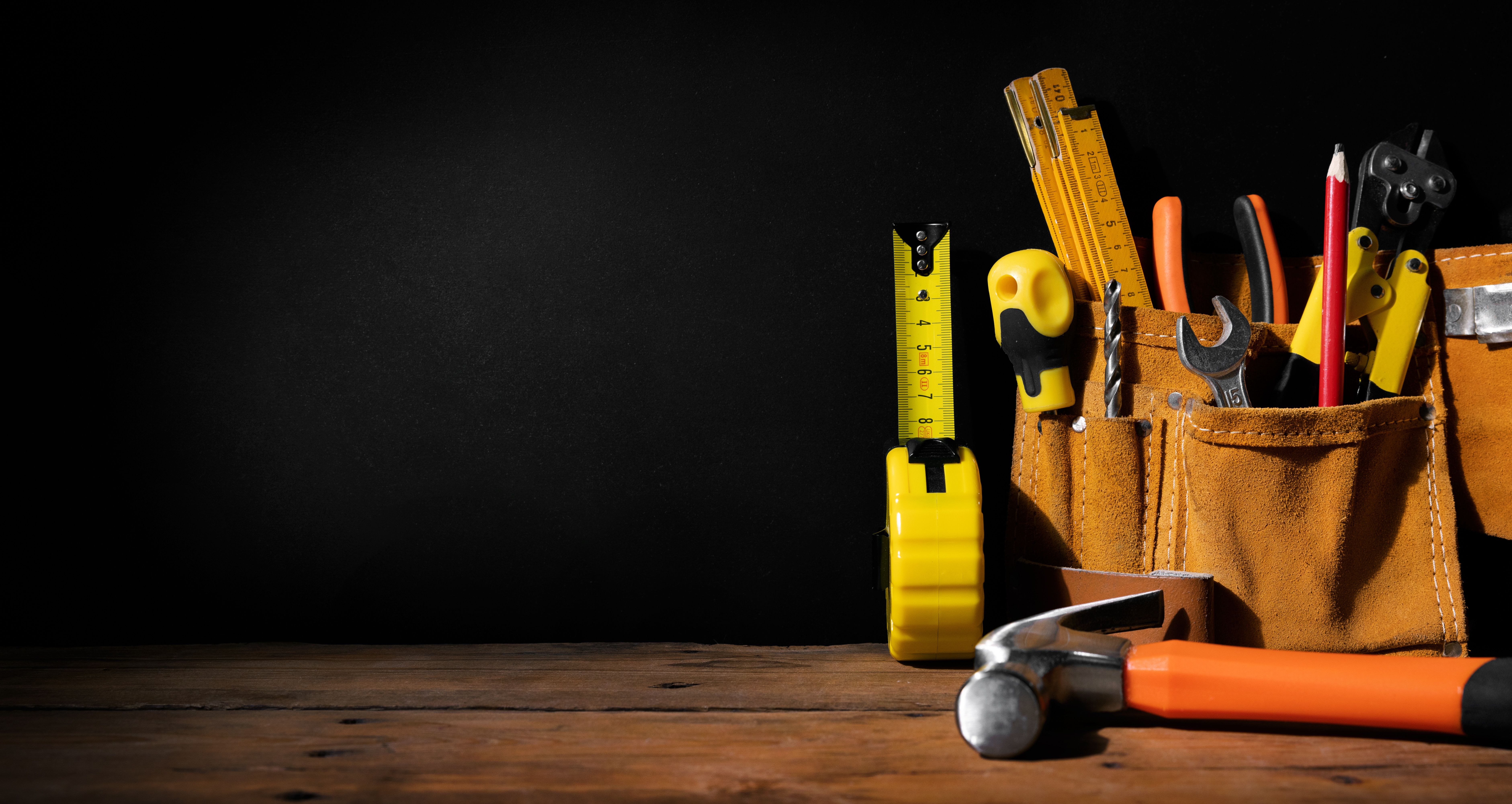
For most DIY repairs, having the right tools is key. Here’s a list of what you might need:
- Adjustable wrench
- Screwdriver set
- Replacement parts (e.g., thermocouple, pilot assembly)
- Soapy water (for leak detection)
Step-by-Step Repair Guide
Once you have the necessary tools, you can begin troubleshooting. Here’s a simple guide to help you get started:
- Turn Off the Gas: Ensure the gas supply is turned off before beginning any repairs.
- Check the Pilot Light: If the pilot light won't stay lit, it might be due to a dirty thermocouple. Try cleaning it gently with a brush.
- Inspect the Burner: Uneven flames could indicate a clogged burner. Carefully clean the burner ports with a soft brush.
- Test for Leaks: Apply soapy water to connections and look for bubbles which indicate a leak.
Safety Precautions
Safety should always be your top priority when working with gas appliances. Here are some precautions to keep in mind:
- Always ensure the area is well-ventilated during repairs.
- Use a carbon monoxide detector in rooms with gas logs.
- If you're unsure about any step, consult a professional.

When to Call a Professional
While many minor issues can be resolved with DIY repairs, there are times when professional help is necessary. If you've followed the steps above and still experience problems, or if you're uncomfortable performing the repairs yourself, don't hesitate to contact a qualified technician.
Professionals have the expertise and tools to handle complex issues safely and efficiently, ensuring your gas logs function correctly and safely.
Conclusion
Maintaining and repairing your gas logs can be a rewarding DIY project, but it's important to know your limits. By understanding the basics and following safety precautions, you can enjoy a cozy and safe fireplace experience in your Charlotte home. Always prioritize safety and seek professional help when needed.