How Weather in NC Affects Your Gas Fireplace Performance


Understanding Weather Impacts
North Carolina's weather is characterized by diverse seasons, ranging from hot summers to chilly winters. This fluctuation can significantly impact the performance of your gas fireplace. By understanding these effects, you can ensure your fireplace operates efficiently throughout the year.
During the winter months, when temperatures drop, gas fireplaces are essential for maintaining a cozy home. However, colder weather can influence the combustion process, potentially affecting efficiency and performance.
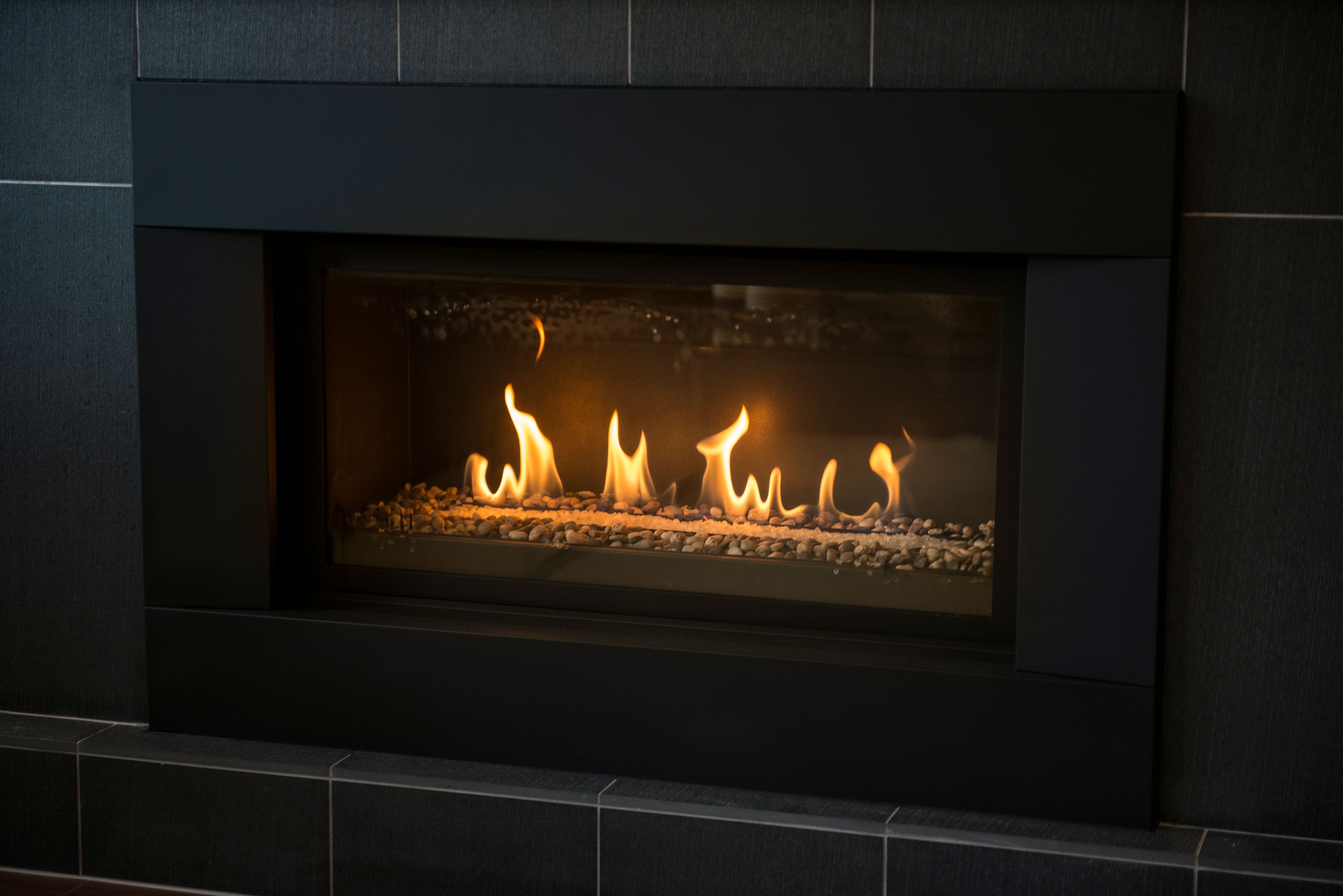
Winter Challenges
Colder Temperatures
As temperatures decrease, your gas fireplace might require more energy to maintain the desired warmth. This increased demand can lead to higher fuel consumption, making regular maintenance crucial to ensure optimal performance.
Humidity Levels
Winter in North Carolina often brings lower humidity levels, which can dry out the air inside your home. A gas fireplace can contribute to this dryness. Consider using a humidifier to balance the indoor air quality and maintain comfort.

Summer Considerations
High Temperatures
During the hot summer months, you might not use your gas fireplace as frequently. However, it's essential to perform routine checks to ensure it's ready for use in the fall and winter. Regular inspections can prevent unexpected issues when you need warmth the most.
Maintenance Tips
Even if your fireplace sits idle during summer, dust and debris can accumulate. Conducting a thorough cleaning and inspection can prevent blockages and ensure that your fireplace is in top shape when the colder weather returns.
Seasonal Maintenance Tips
- Schedule annual professional inspections to check for leaks and ensure safe operation.
- Clean the glass and interior to remove soot and debris.
- Test the ignition system to ensure it functions correctly.
By understanding how North Carolina's weather affects your gas fireplace, you can take proactive steps to maintain its efficiency and longevity. Regular maintenance, awareness of temperature impacts, and humidity adjustments are essential for optimal performance.
Preparing your gas fireplace for seasonal changes not only enhances its efficiency but also extends its lifespan, providing warmth and comfort whenever you need it.